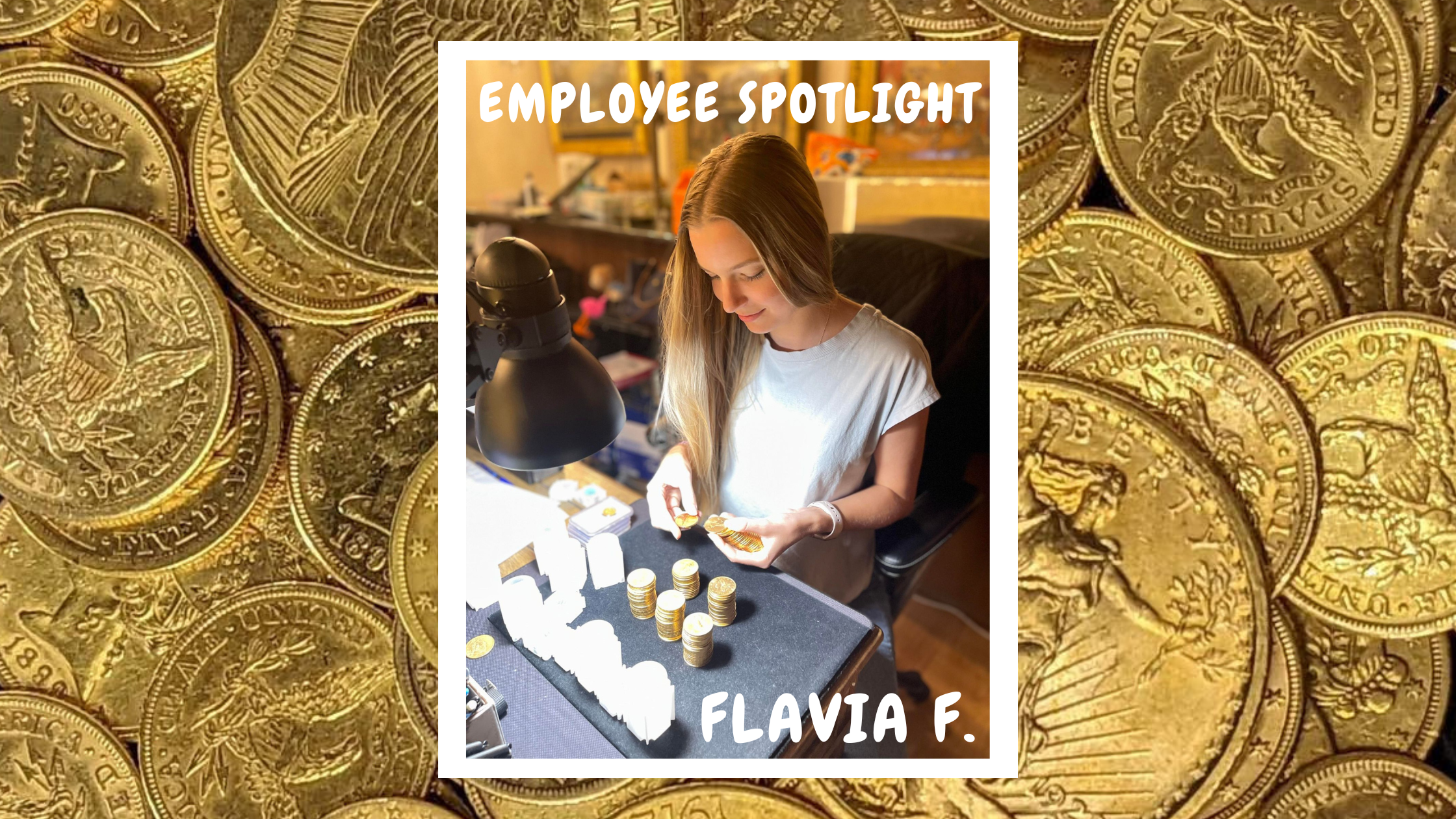
Meet Flavia, our “Golden Girl!” She has been crowned this name because of her notoriety in selling pre-1933 gold in various Facebook groups. You can find her managing the gold section of our booths at all of the big coin shows.
Work Questions
1. Who are you and what do you do at the office?
My name is Flavia Fijalkowska and I am a trader at Imperial. I worked in marketing when I first started here; however, I quickly became interested in coins and learned the business behind them, leading me to take on a role in sales.
2. What is your favorite coin?
Definitely the 1907 High Relief Saint Gaudens! It is my favorite coin because of its detailed design and rarity.
3. How long have you worked here?
I started working here in 2019.
4. What do you love most about working with coins?
I enjoy learning the aspects of grading, as well as the history behind every coin. My favorite is the Pre-1933 U.S minted gold.
5. What’s one piece of advice you would give someone who wants to enter the industry?
Find the coins that interest you the most and try to learn as much as you can about them. Focusing on something you are very knowledgeable about will help you go far!
Fun Questions
1. Are you currently binge-watching any TV shows?
Yes! The Terminal List on Amazon Prime.
2. What’s a fun fact that most people don’t know about you?
If there is a corn hole or a giant connect four at any party – I’m winning.
3. What is your favorite hobby?
I love to go hiking, especially with my dog, Huayra! While there are not as many hiking spots in Florida, we occasionally travel north to get our hiking fix in Georgia.
4. If you could have a drink with one celebrity, who would it be?
Joe Rogan because he is the person with the most diverse knowledge about any subject.
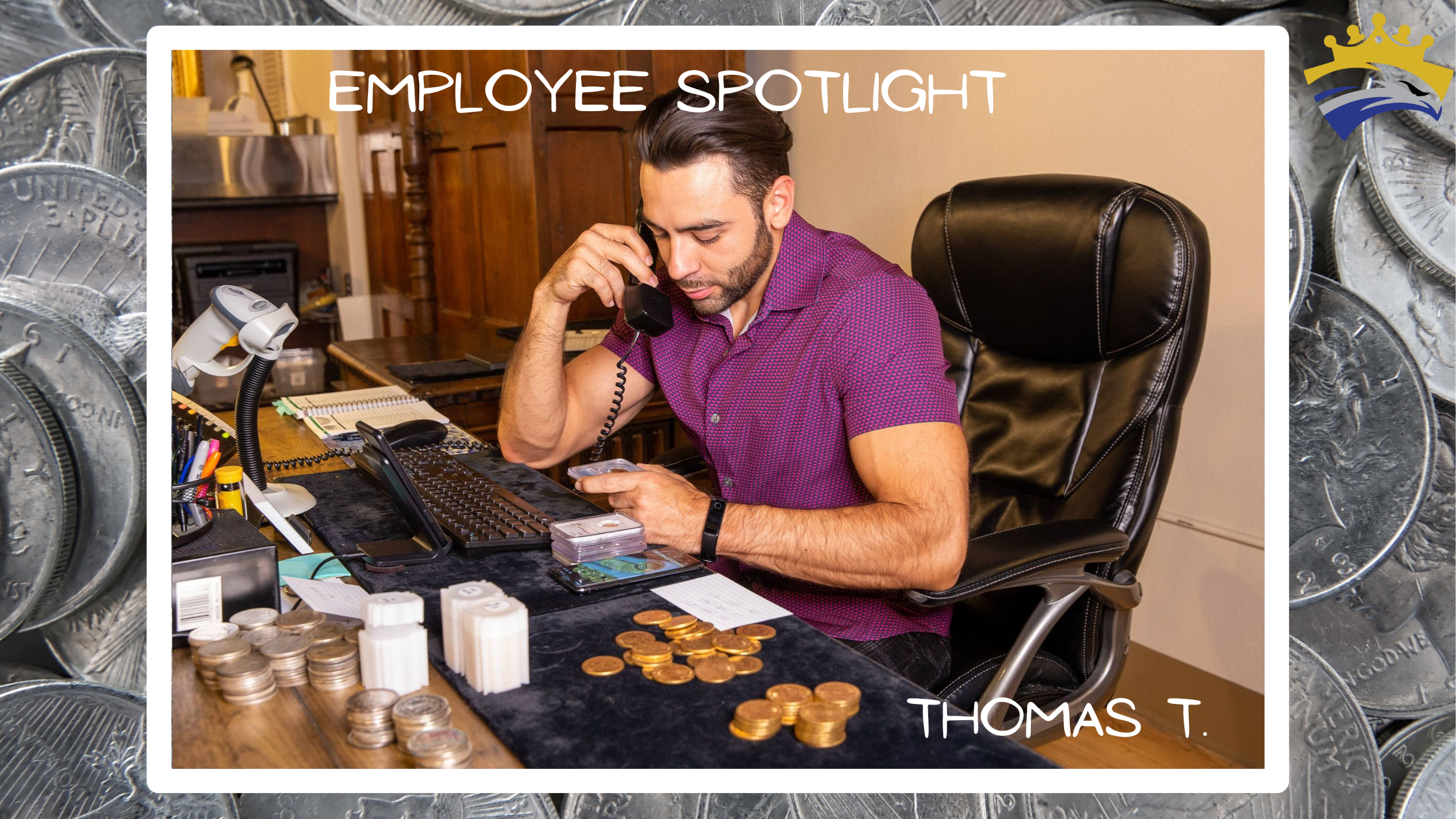
Thomas is the name, Facebook is his game! Thomas is one of the sales representatives at Imperial Coin Exchange and he is the king of selling on Facebook. Between his funny yet brilliantly witty coin posts to his swiftness in finding the right coins for his clientele.
Work Questions
1. Who are you and what do you do at the office?
I was hired on as a sales rep and over time, I found my niche on Facebook. I spend most of my work day negotiating coin deals via Facebook messenger and perusing coin groups.
2. What is your favorite coin?
3 dollar gold! I love the princess design and the wreaths on the reverse. I’m an artist by hobby, not a history buff, so the stories behind the coins are not as attractive to me as their designs.
3. How long have you worked here?
I don’t keep track but I feel like I’m pushing five years at this point. Might be more because time flies when you love what you do!
4. What do you love most about working with coins?
I love the hustle and the freedom it allows. I’ve been in sales my entire working career and coins are something you can deal in at any time in your life. You can do it in whatever capacity you desire. You don’t even need an office or a company to enjoy the wheel and deal of numismatics.
5.What’s one piece of advice you would give someone who wants to enter the industry?
Read! There was a time when numismatic knowledge was acquired through years of experience, handling coins, and learning through trial and error. However, in today’s day and age, everything you need to know to profit in the industry is available through books, websites, and applications. You never stop learning in this industry unless you want to.
Fun Questions
1. Are you currently binge-watching any TV shows?
One of my mentors used to refer to the television as the Idiot Box. He is a very successful person, so ever since he said that, I stopped watching TV regularly. I did fall victim not too long ago to a show called Black Mirror. I confess I binge-watched it to the point I was falling asleep at work the next day. It won’t happen again.
2. What’s a fun fact that most people don’t know about you?
I was 28 years old when I realized there were coins outside of dimes, nickels, and pennies. The Numismatic world is still new to me
3.What is your favorite hobby?
Outside of the gym, I program automated trading algorithms. People usually have strategies they employ for trading securities like stocks, futures, and options. I take those ideas and I program them into robots that buy and sell for them based on their ideas, so they don’t have to do it manually.
4. If you could have a drink with one celebrity, who would it be?
I’m going with Dave Chappelle in a heartbeat. I’ve watched several of his interviews and he’s probably the most intelligently funny person I know. Dave will take you from a dirty joke, to politics, and then spirituality without skipping a beat.
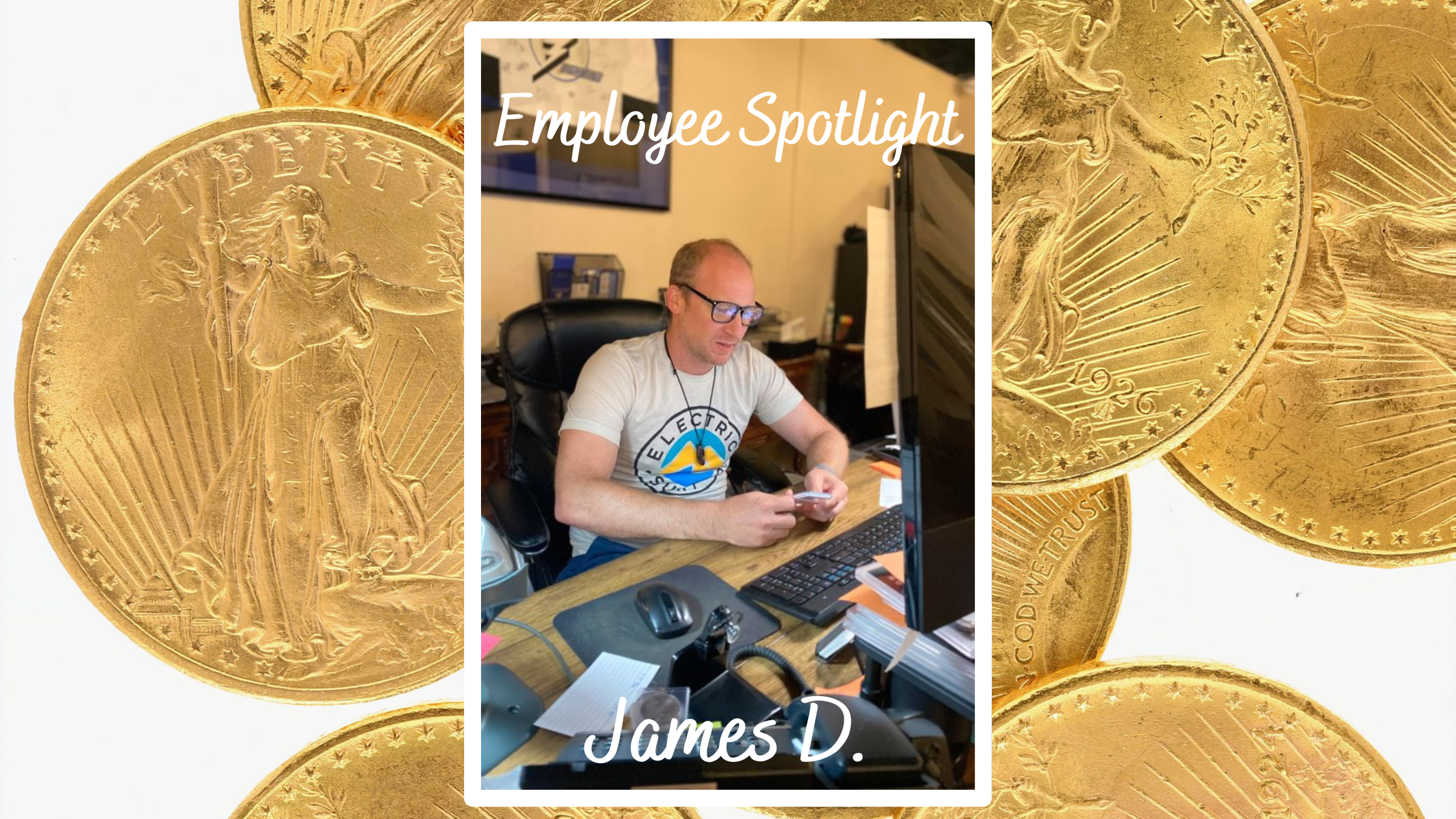
Meet James, the master behind day-to-day operations at Imperial Coin Exchange! He wears many hats at the office and has been with us the longest. Keep reading to find out more about James’ work and personal life.
Work Questions
1. Who are you and what do you do at the office?
My name is James Dauenheimer and I have done everything from sales, inventory, shipping, dipping, and admin work. I enjoy selling coins and interacting with customers both in person and over the phone. I like to help buyers by listening to their numismatics interests and getting the right coins to fit their needs.
2. What is your favorite coin?
I am a sucker for a good High Relief Saint. In my budget, I would get an attractive details coin, but perhaps one day I can shoot for the MS67 gem.
3. How long have you worked here?
I was one of the first employees here back in 2009 but I have been in the coin industry since 2006.
4. What do you love most about working with coins?
You truly learn something new almost every day.
5. What’s one piece of advice you would give someone who wants to enter the industry?
Do not rush into the industry like you know everything. Start off doing the grunt work and ask plenty of questions. Respect your elders and you will do well.
Fun Questions
1. Are you currently binge-watching any TV shows?
I am on my second round of Stranger Things… After the 4th was so good, I thought, “Why not have another go around?”
2. What’s a fun fact that most people don’t know about you?
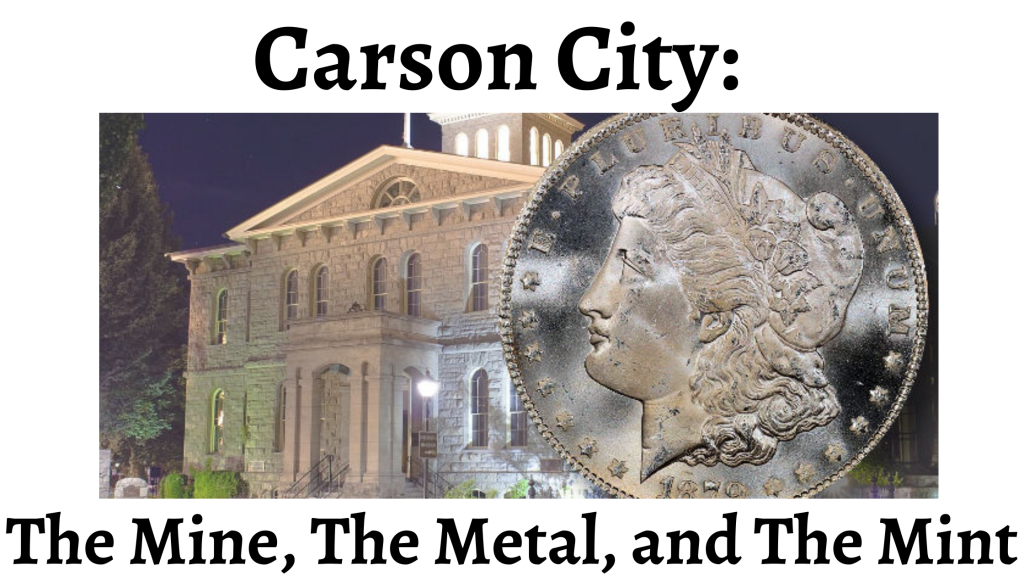
Why are coins from the Carson City Mint so notable? Why was it only open for a short period of time? What makes this mint so much more special than the others? Keep reading to find out!
History of the Mint
Carson City was founded in 1858 and had a low residential population up until the famous Comstock Lode was discovered 15 miles away on Mount Davidson. The discovery sparked a silver rush, causing an influx of miners to move to the area in hopes of getting rich. The Carson City Mint was authorized and created in 1869 to accommodate the demand from Comstock Lode, which ended up being the largest silver strike in U.S. history.
Prior to its opening, the closest mint to the Nevada area was strategically located in San Francisco due to California’s gold rush. There was so much gold found during the historical period in California that workers transported it in bulk to the San Francisco Mint to produce gold coins.
When workers began mining gold and silver from the Comstock Lode, they quickly realized that it was too difficult to send ores to the San Francisco Mint. This was due to the high costs of shipping and the risk of theft. The citizens of Nevada were adamant to have a mint in Carson City to keep up with Comstock Lode, which is how the CC branch was formed.
The Carson City Mint
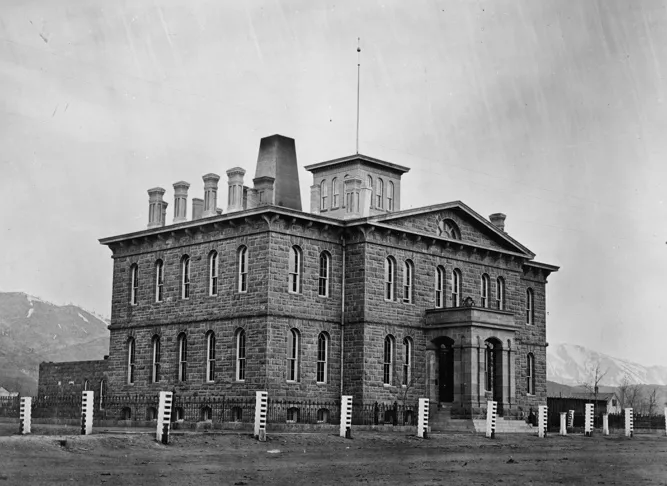
In 1870, The Carson City Mint began pressing coins with the famous “CC” mintmark. The mint continued to produce coins until 1893. During the course of its operation, the Carson City Mint issued more than 50 types of coins from both ores. The most commonly pressed coin was the Morgan Silver Dollar. The mint’s status was formally withdrawn in 1899 due to the extreme decline in mining on the Comstock. Today, the building is home to the Nevada State Museum.
Why is the “CC” mark so special?
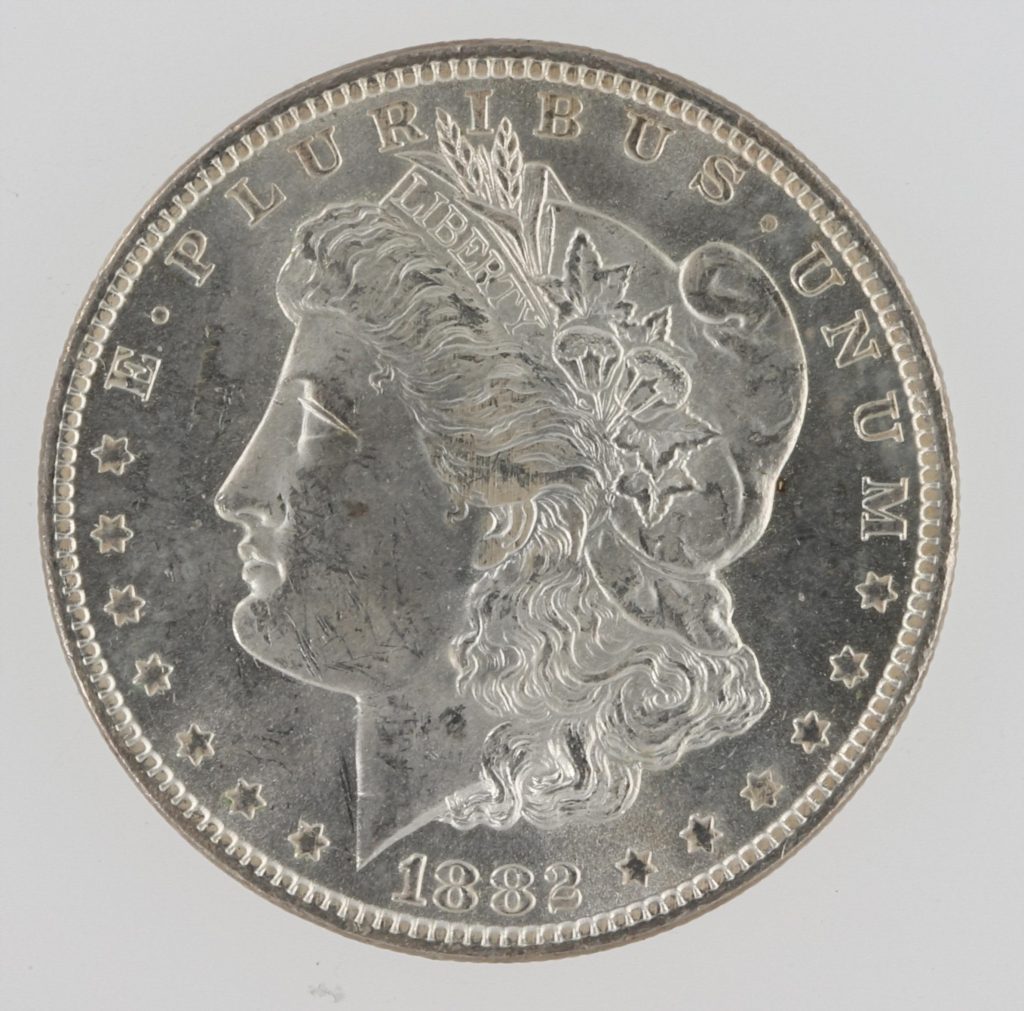
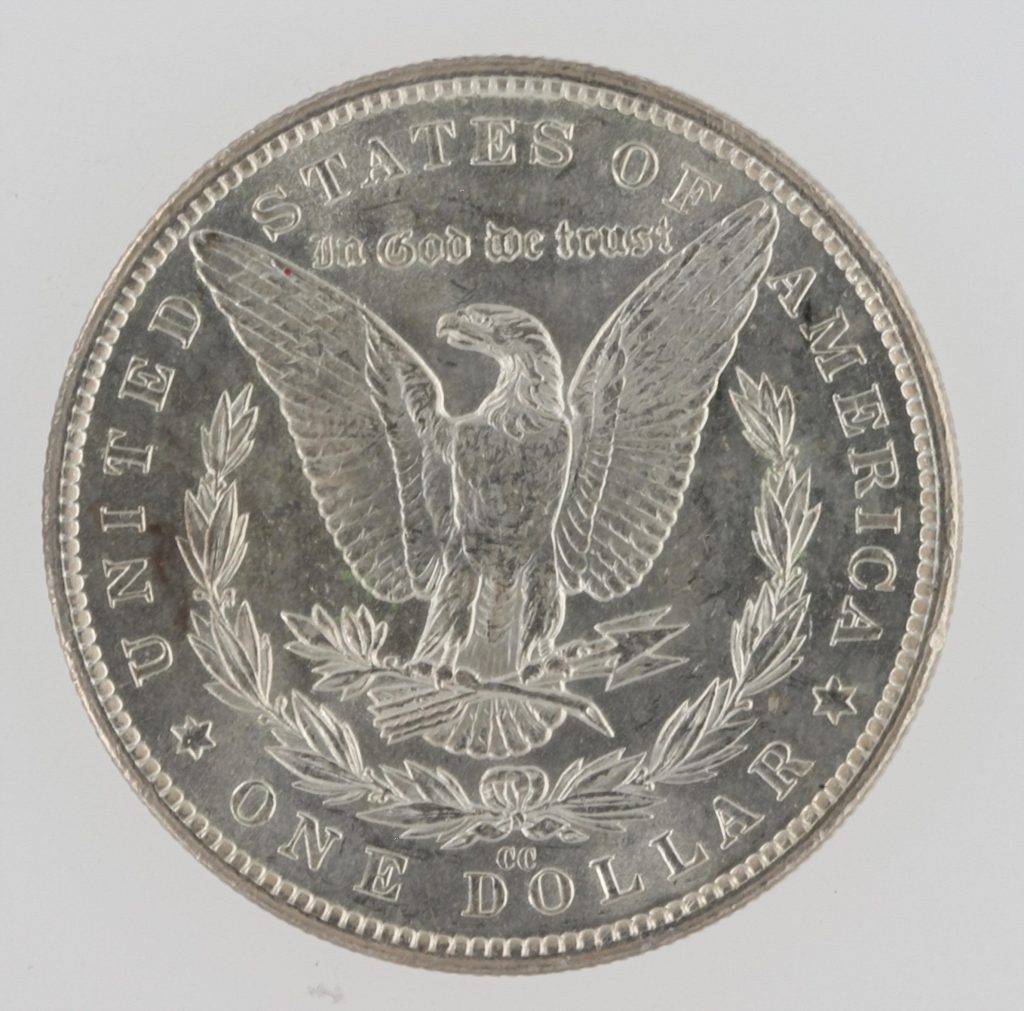
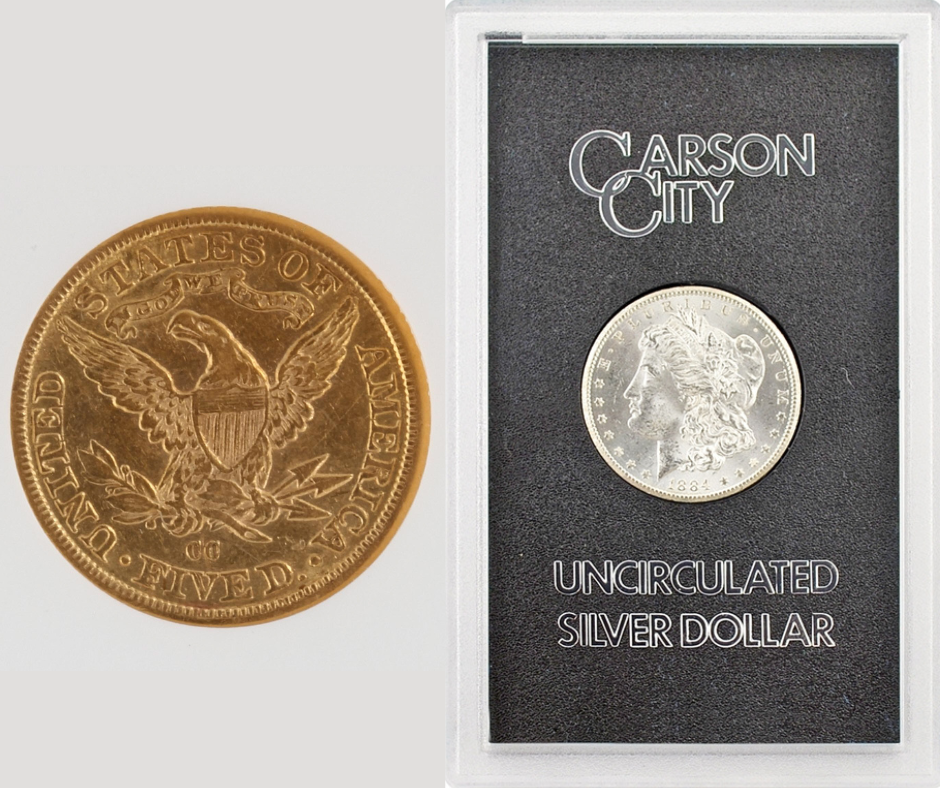
Coin collectors and dealers alike have always preferred coins with the “CC” Mint mark. Since the Carson City Mint was only open for a short period of time, there was a limited supply of coins minted with high demand. Since fewer coins were produced, there were not nearly as many coins that were sent into circulation compared to larger mints such as in Philadelphia.
Obverse of a Silver Dollar from the Carson City Mint Reverse of a Silver Dollar from the Carson City Mint
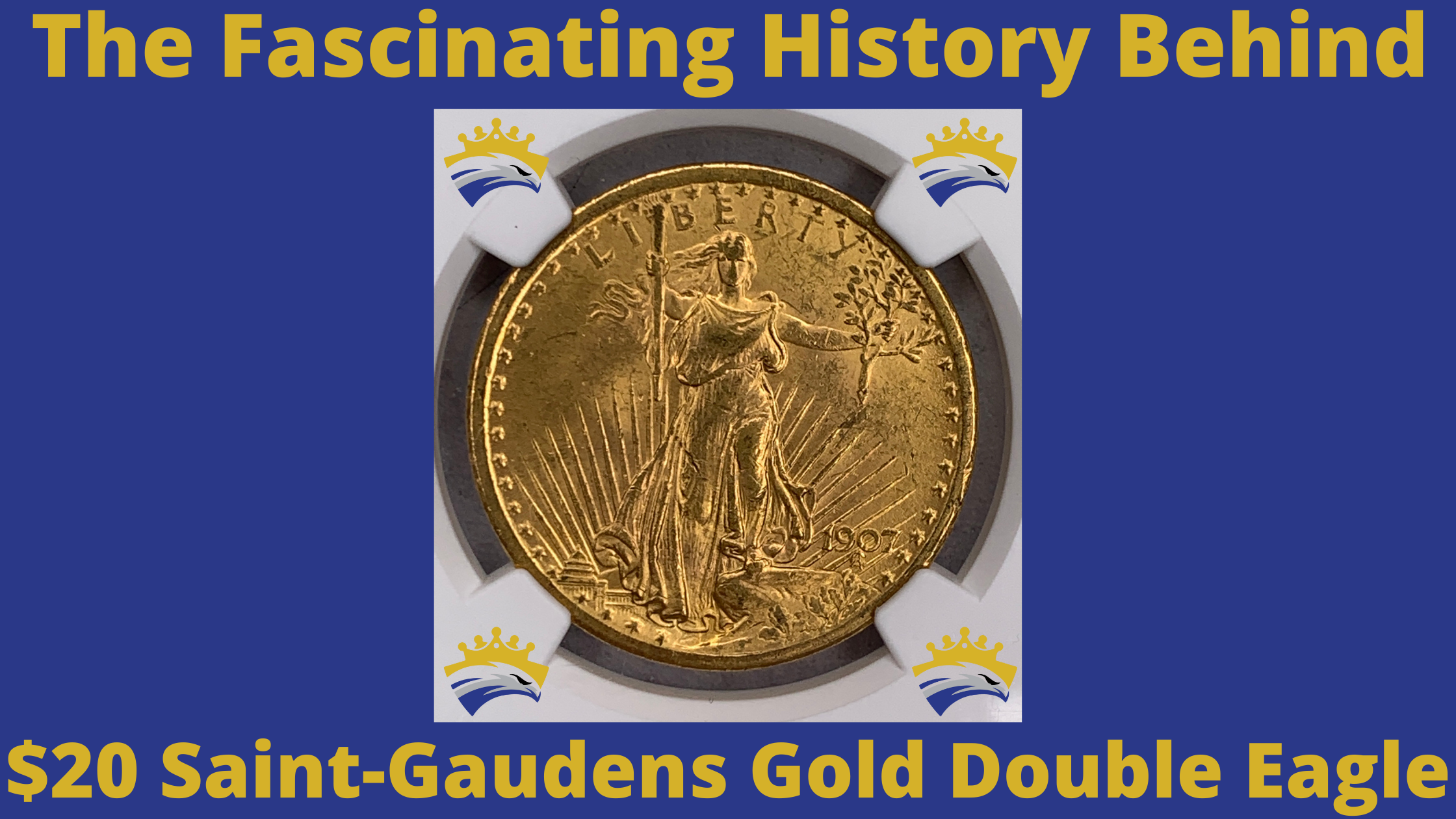
The $20 Saint-Gaudens Gold Double Eagle is arguably the most iconic coin ever produced in American History. President Theodore Roosevelt even declared the coin to be “more beautiful than any since the days of the ancient Greeks.” However, what makes it so extraordinary? Why is it so different than any other pre-1933 gold? Who is the woman on the coin, and what does she symbolize? Keep reading to find out!
Brief History of the $20 Coin
The $20 Saint-Gaudens Gold Double Eagle was first minted during President Roosevelt’s presidency in 1907. Two years before its mintage, the United States had recently become the most powerful nation globally, and Roosevelt wanted to create and promote American culture both in the United States and around the world. One initiative he took was finding someone to create a coin to represent everything that America stood for. He wanted something that would capture the nation’s pride and spirit, but more importantly, he wanted to represent America’s pre-eminent position.
Breaking the Rules
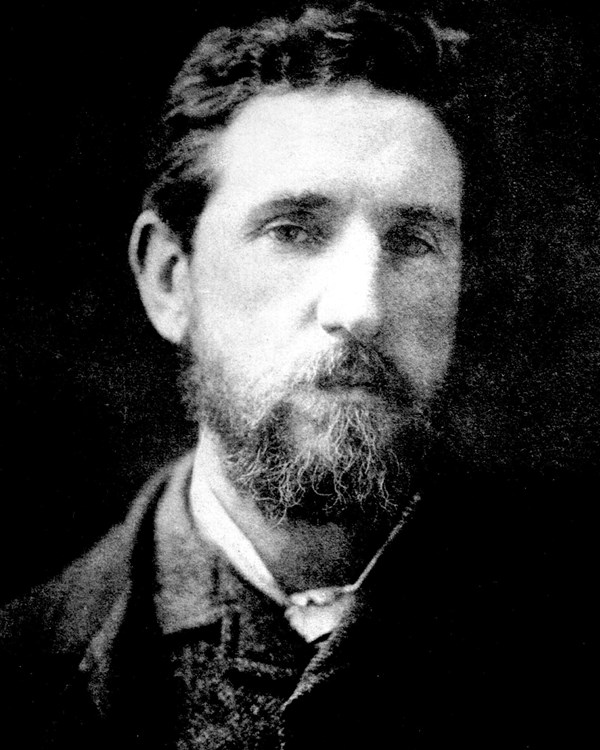
Typically, only affiliates of the U.S. Mint were permitted to design a coin. Rather than following the general procedure, he sought an outside designer because he was disappointed with the quality of U.S. coinage designs from the Mint. He eventually chose sculptor-engraver Augustus Saint-Gaudens to be in charge, making him the first artist unaffiliated with the U.S. Mint to design a standard coinage issue. Even though Saint-Gaudens was terminally ill with cancer, he eagerly accepted President Roosevelt’s request. They both shared the same vision and desire to revamp the coin and capture everything America encompassed. President Roosevelt chose Saint-Gaudens to design the coin because he often used American symbols in his work, such as angels, bald eagles, and stars and stripes.
Augustus Saint-Gaudens
A Detailed Look at the Coin
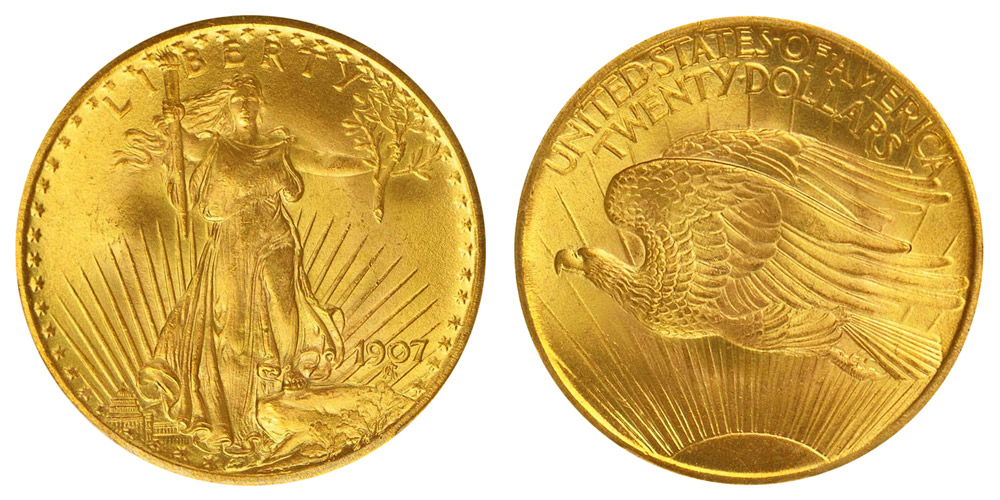
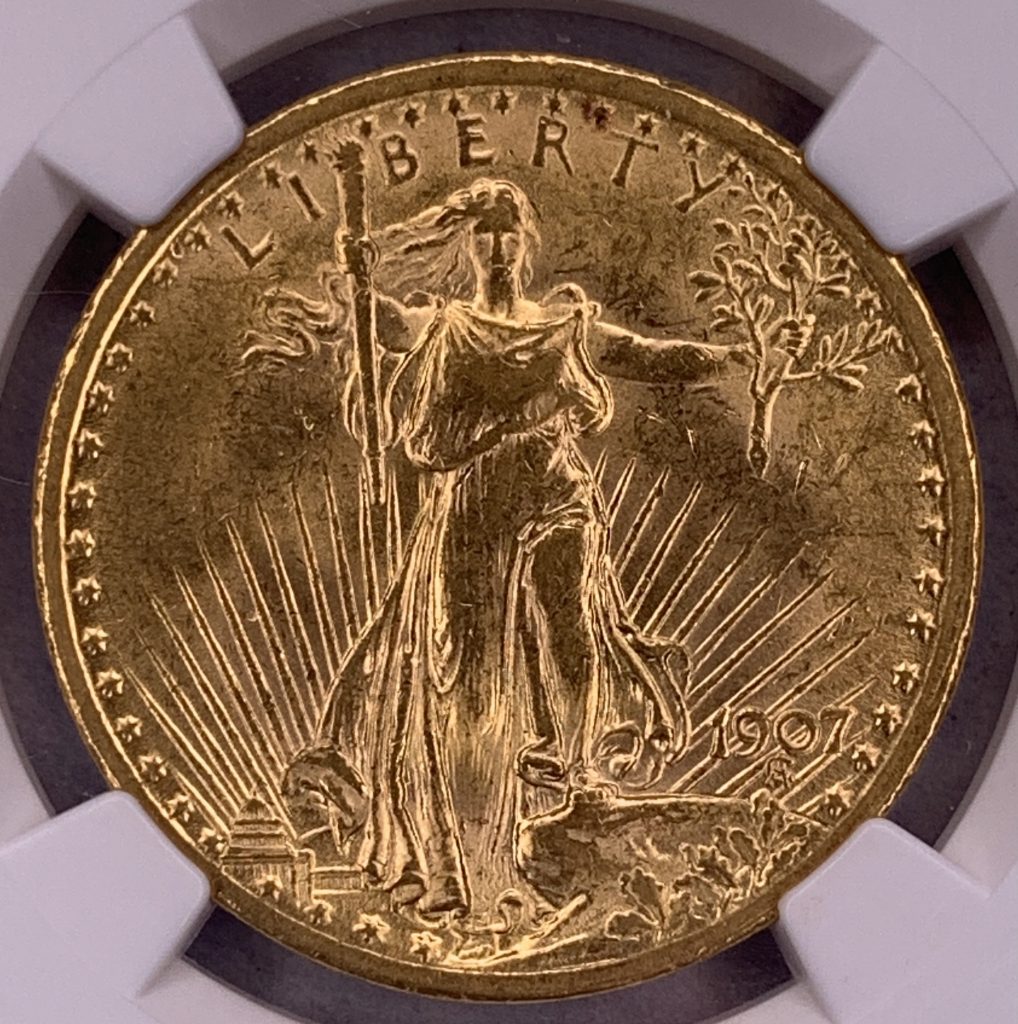
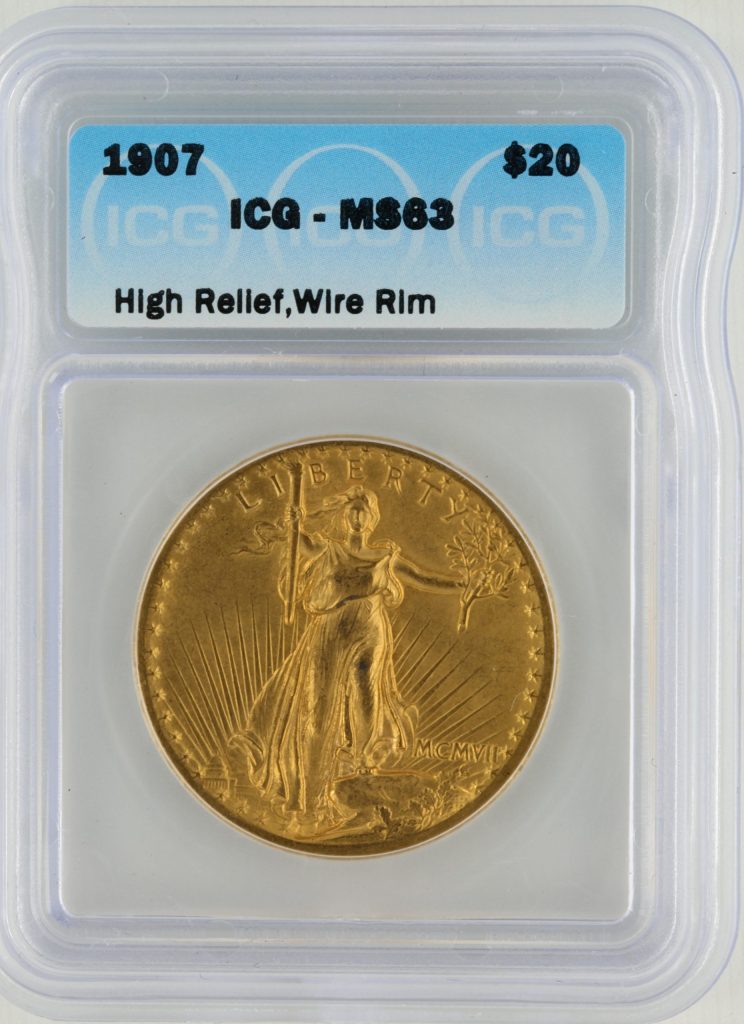
The obverse field of the $20 coin depicts Lady Liberty striding forward over rocks, with her hair and robe flowing freely in the wind. She holds a lit torch in her right hand, signifying freedom to light the way for the nation, and she holds an olive branch in her left hand, representing a desire for peace. The capitol building is depicted at a distance as the sun rises behind it. When the coin was first released in 1907, there were 46 stars surrounding Lady Liberty to represent the United States, but there were two more added in 1912 to include New Mexico and Arizona.
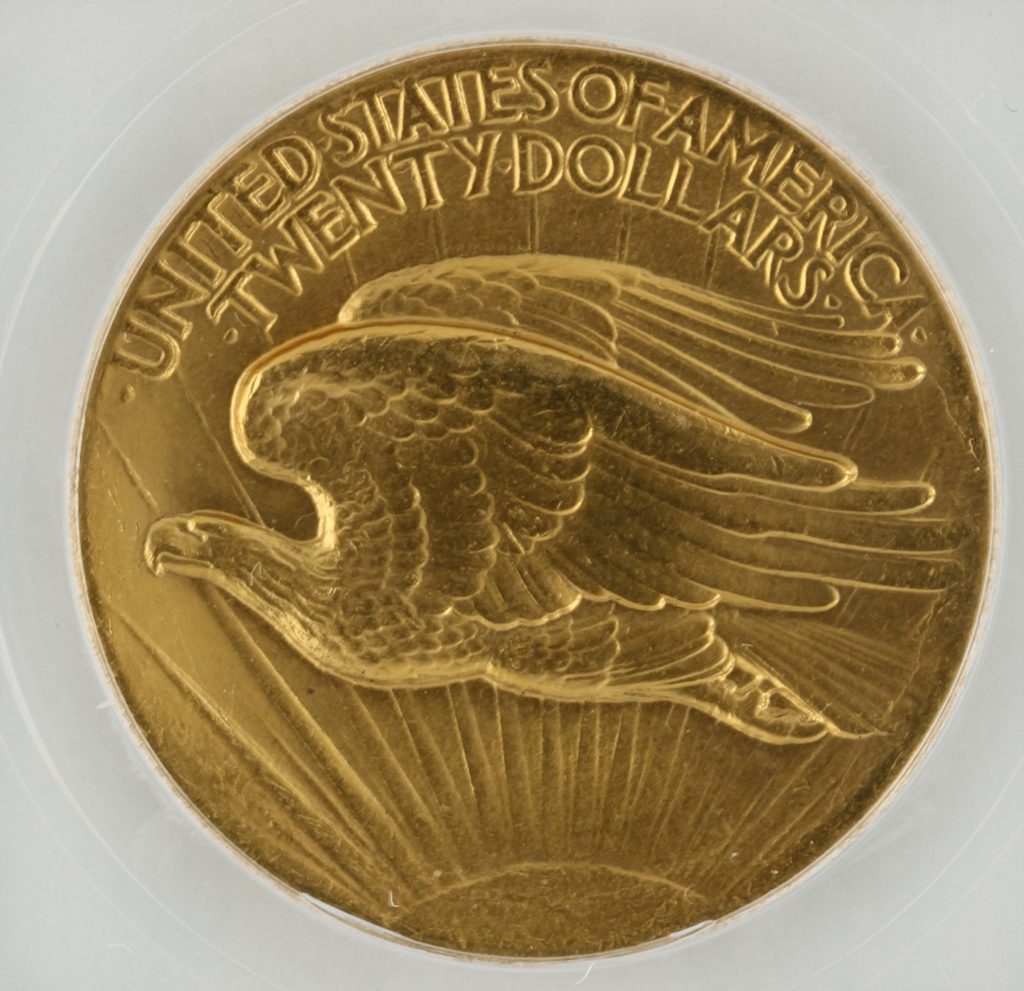
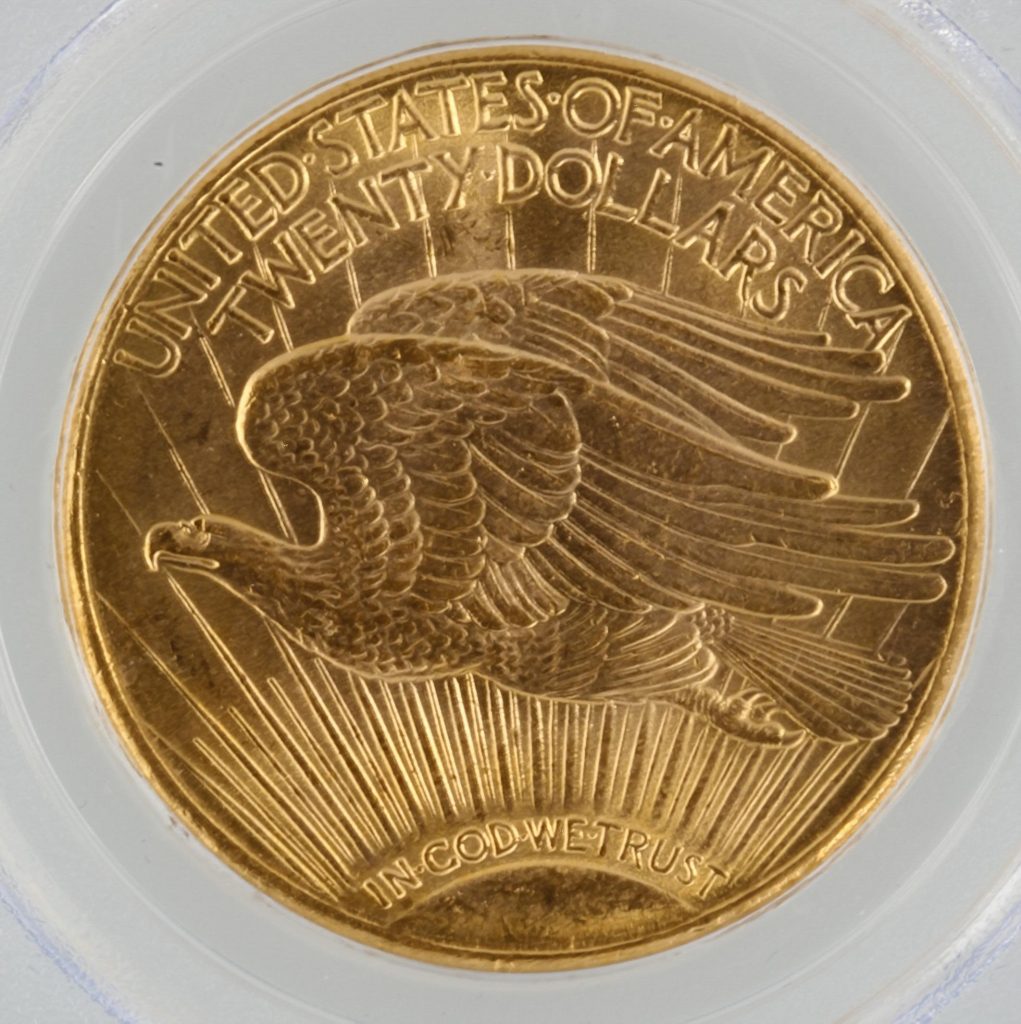
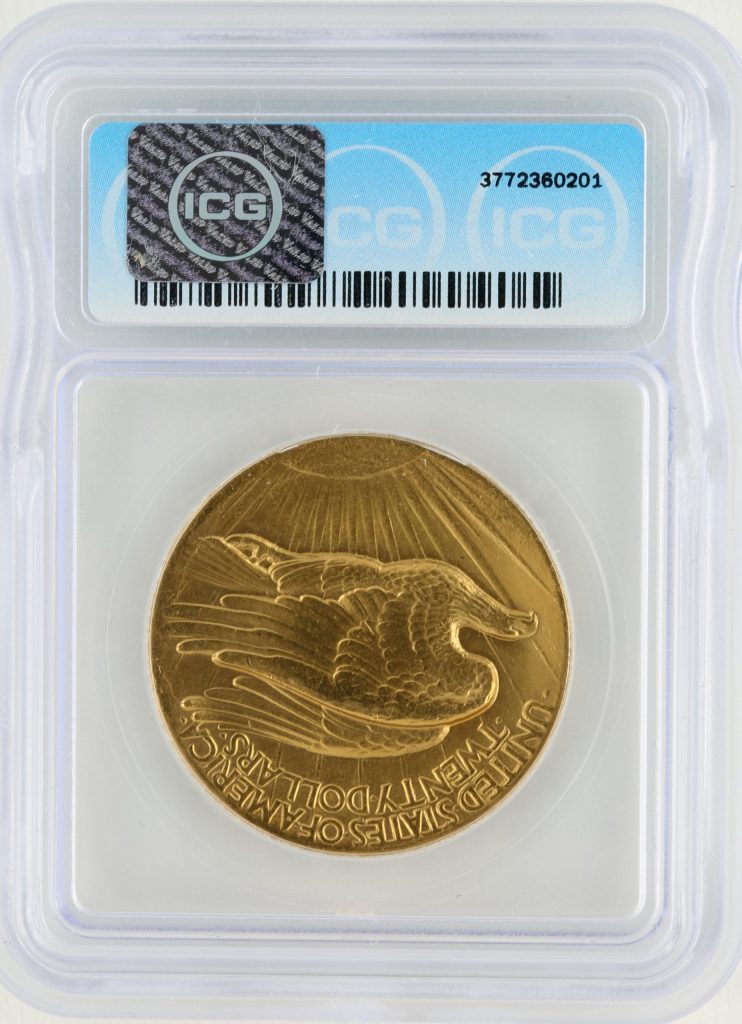
The reverse field focuses on America’s most patriotic emblem, the bald eagle. The eagle is depicted in flight, with its strong and mighty wings soaring above the sun’s rays. Although various past coinage (most notably the flying eagle cent) have portrayed the nation’s national emblem, no previous coins in existence have been as intricately detailed as Saint-Gauden’s Eagle design.
Who is Lady Liberty?
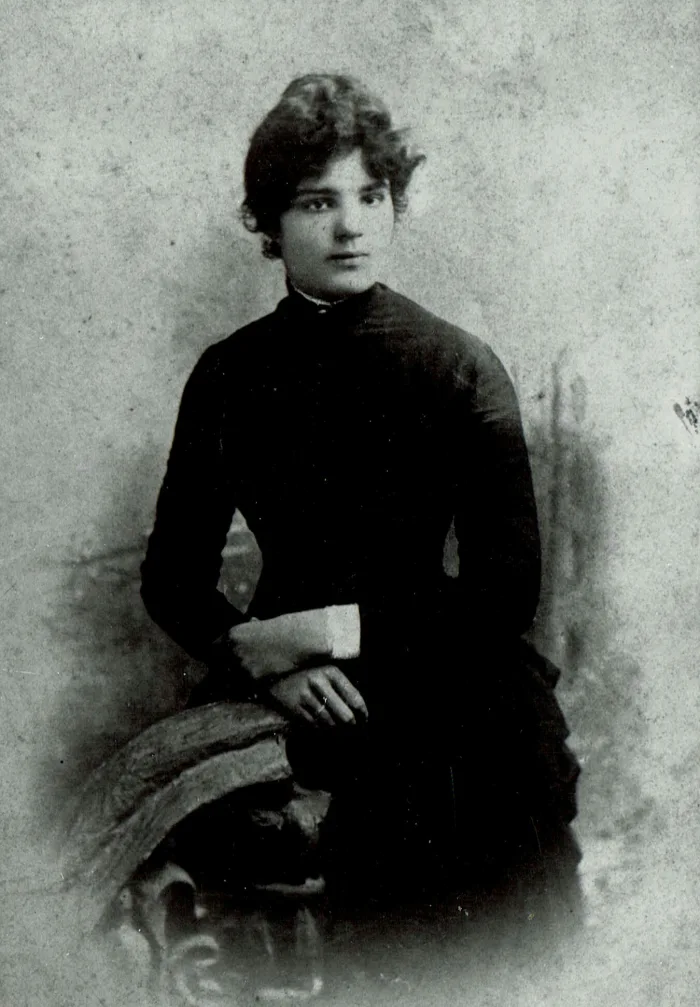
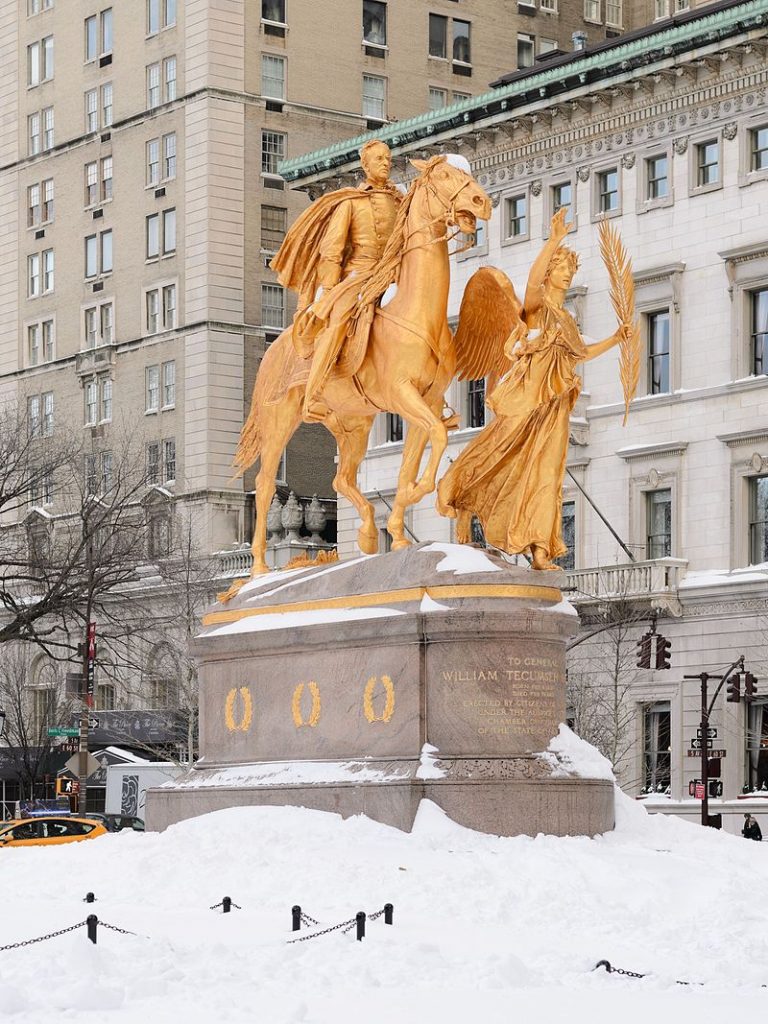
The enigma of who is the face behind Lady Liberty remains a mystery today, although evidence shows that Hettie E. Anderson, an African American woman, is most often credited. She was a New York model that posed for various sculptures, including Saint-Gaudens’ famous Victory of New York’s Sherman Monument that remains at New York’s Central Park entrance. In fact, she was afavorite of Saint-Gaudens, who called her “the handsomest model I have ever seen of either sex, and I have seen a great many.”
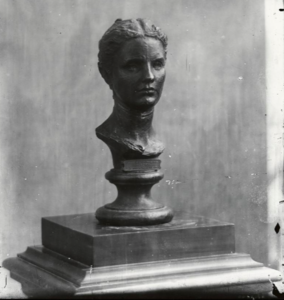
A portrait for Hettie Anderson in the 1890sBust of Anderson created by Saint-GaudensAnderson in Victory of New York’s Sherman Monument at the entrance of Central Park
Although there is no official decision on whether Anderson is the face of the $20 gold coin, there is evidence that Saint-Gaudens insisted on having the model. While he was perfecting prototypes for the twenty-dollar gold coin, he wrote about Anderson to the sculptor Adolph Alexander Weinman, saying: “I need her badly.”
While there is no official word on whether he got her to pose as inspiration while designing the coin, it would appear that Lady Liberty’s pose on the obverse field of the coin looks quite similar to the pose in the Victory sculpture in New York. We cannot help to think that there may be a correlation here!
Can you notice the resemblance?
Motto Controversy
President Roosevelt requested to have the Nation’s motto “In God we Trust” omitted in the issues of 1907 and the first half of the 1908 issues of the gold $20 coin. He was a religious Christian who believed that writing God’s name on coins would be blasphemy because it could be used to engage in illegal and sinful endeavors. President Roosevelt felt that God’s name belonged in houses of worship, not in controversial spaces such as casinos. Saint-Gaudens also preferred to omit the phrase because he believed that the words would distract from the coins’ artistic elements.
While numismatists and coin-enthusiasts admired the new 1907 coin, the general public became angry when they saw that “In God We Trust” was not on the coin. They wrote letters to Congress and the mint to complain about the omission. In 1908, Congress added the motto just above the rising sun and below the eagle for the mid-year issue, and it remained until the series ended in 1933.
Different years, different mottos – Can you spot the difference?
The End Result
Saint-Gaudens died in 1907. Although this coin was his final masterpiece before his death, his work of art and legacy continues. The lower relief variety of his coin was struck later that year, and U.S. Chief Mint Engraver Charles E. Barber prepared the rest of the series.
After his death, Roosevelt honored Saint-Gaudens as an artist and friend by saying in a 1908 speech given at the Corcoran Gallery, “more beautiful than any coins since the days of the Greeks, and they achieve their striking beauty because Saint-Gaudens not only possessed a perfect mastery in the physical address of his craft, but also a daring and original imagination.”
$20 Saint-Gaudens Gold Double Eagle Available for Purchase
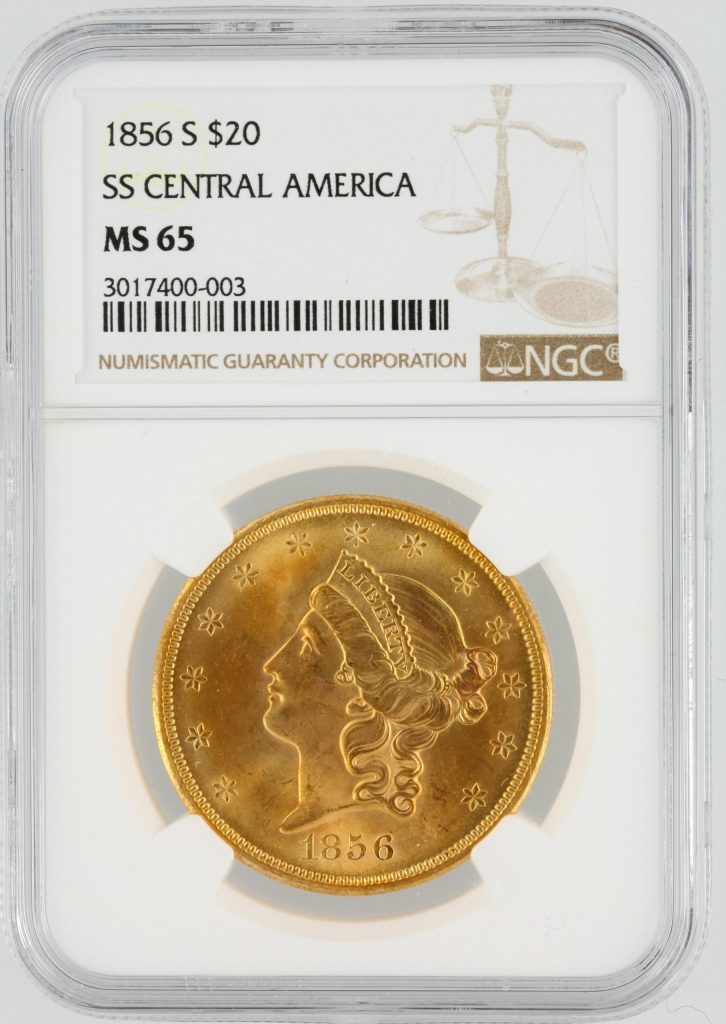
Here at Imperial Coin Exchange, we have many varieties of $20 Saint-Gaudens Gold Double Eagle available for sale. We have coins in various Mint States from NGC, PCGS, and ICG. We are also selling premium high relief, wire rim coins. These cost more because when the coin was in production, the collar was not sufficiently tight and the pressure of the repeated blows forced metal up where the edge of the coin meets the collar to form a very thin wire rim.
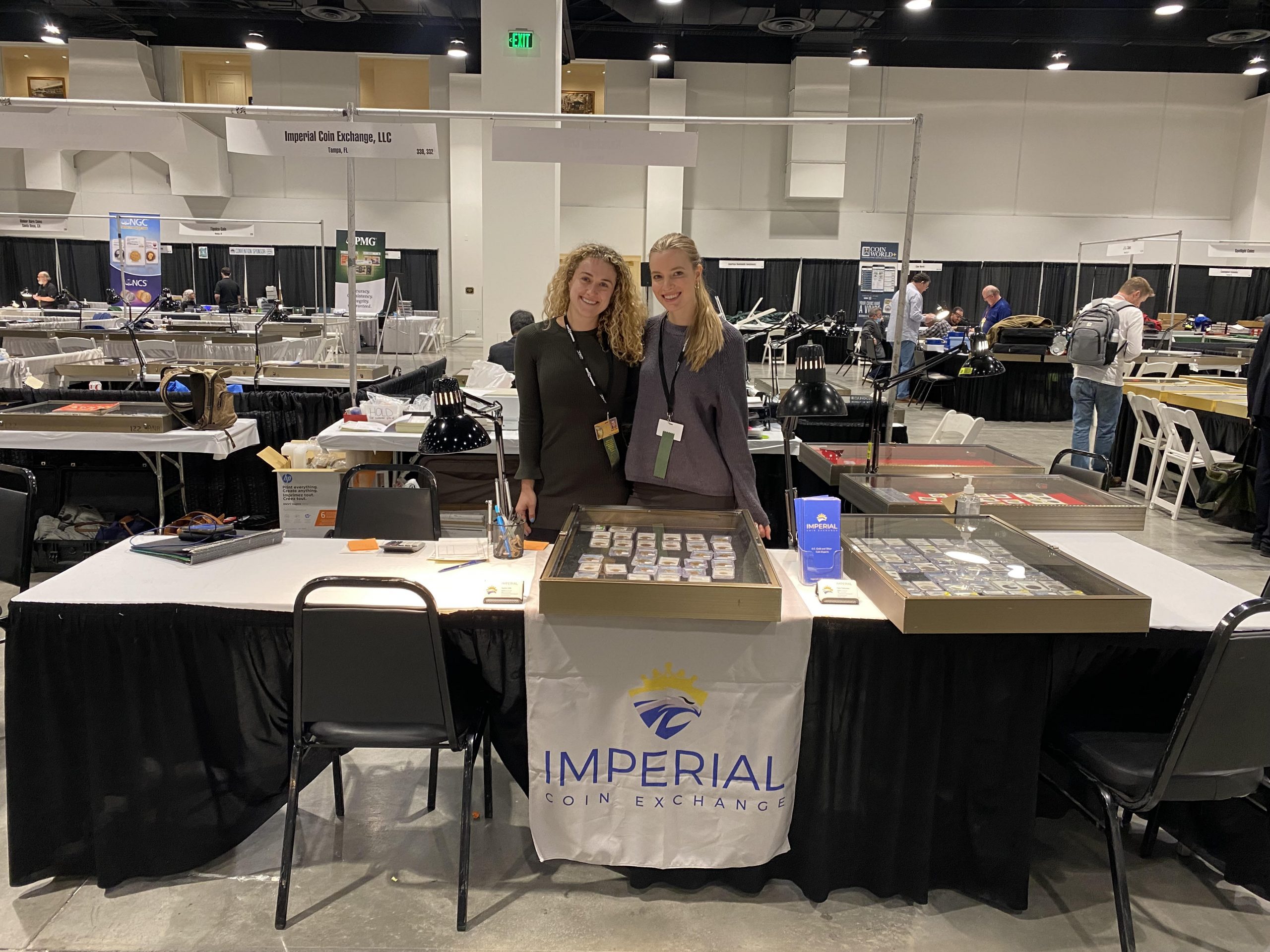
It was a busy show at the Whitman Expo, which recently took place from the last week of March until the beginning of April. We mostly saw familiar faces, but we had the chance to meet some new dealers and retail customers too. While we always buy raw pre-1933 gold and silver dollars at shows, we were on a mission to buy many unique slabs. Based on the updated inventory that we have from the show, we think it’s safe to say that we were successful.
Without further ado, please enjoy our haul from the show!
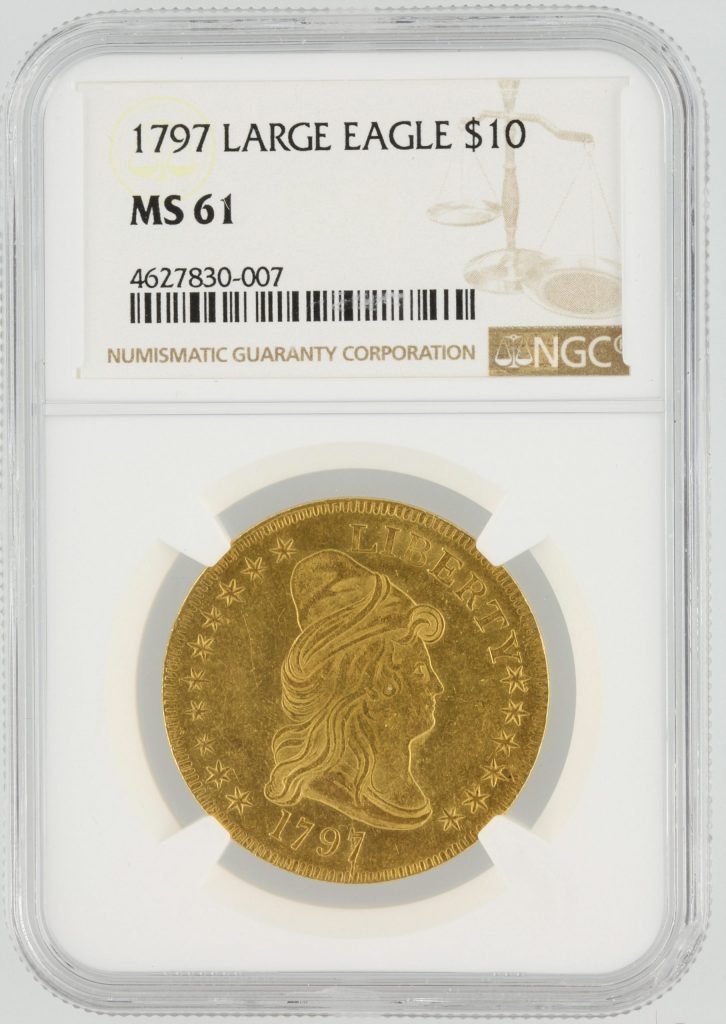
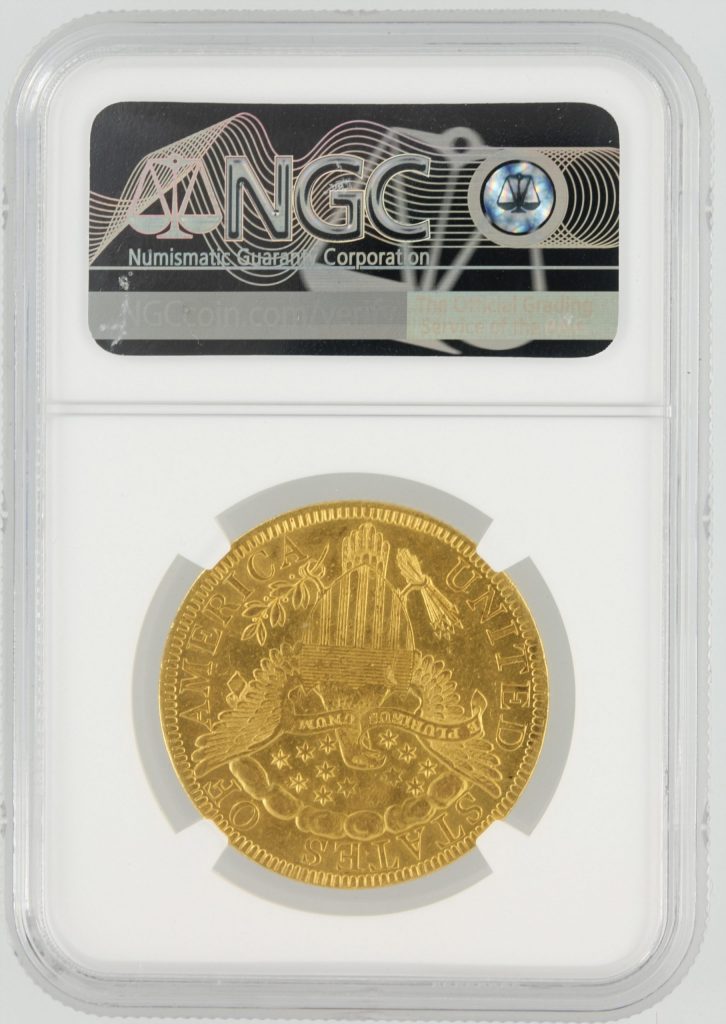
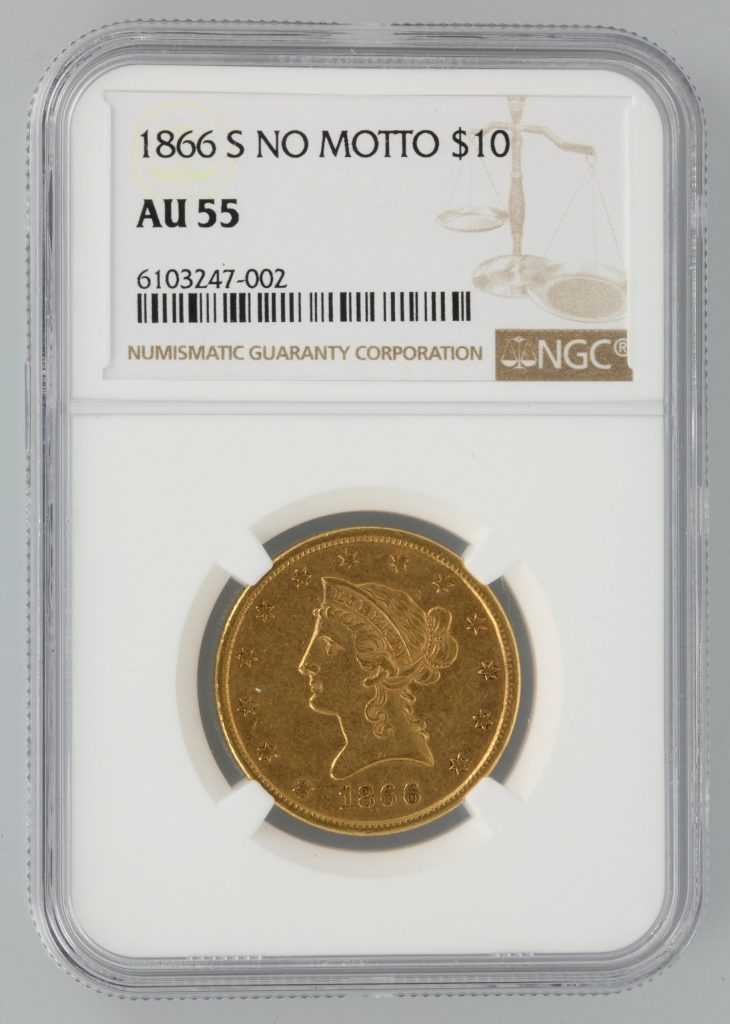
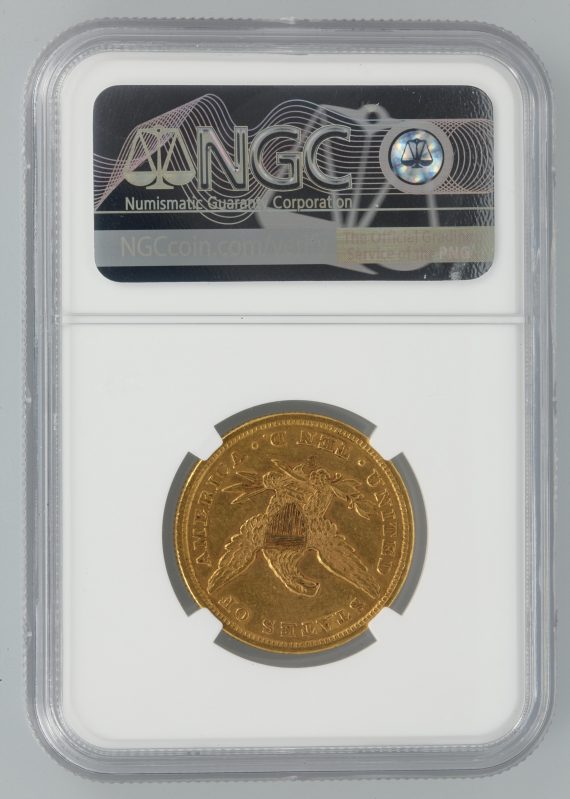
1866-S No Motto Gold Eagle NGC AU55 $10 – $24,725https://imperialcoinexchange.com/shop/1866-s-no-motto-eagle-ngc-au55-10-liberty-47002/. This is not just your average $10 Liberty. This coin only has a mintage of 8,500 and NGC has only certified 8 coins in AU55 and only 5 in higher grades. In fact, the 1866-S No Motto Eagle is one of the rarest dates in the series.
Wholesale Inventory List
Want to see additional coins that we purchased at the show? Check out our April 6 wholesale inventory list to see all of the coins we have to offer at the best prices.
Sign Up for the Best Deals
Join our daily wholesale Silver Dollar and Raw US Gold price indication sheet. All you have to do is sign up to start receiving deals straight to your email.